Agroforestry is a form of land use in which perennial woody plants such as trees or shrubs are planted on land where agricultural crops are grown and/or animals are kept. These elements can be combined either in spatial arrangement or in temporal sequence.(Definition according to J.Vogt, 1999)
Agroforestry systems are actually nothing new, as they have been managed for centuries. A classic example in Europe are orchard meadows. But in many places monocultures and industrial agriculture have replaced agroforestry systems, although they offer many advantages, especially for small farmers. In every agroforestry system there are several interactions between the different components, both eco-logical and economic. In general, agroforestry systems are multifunctional systems and can offer a wide range of economic, socio-cultural and ecological benefits.
Among these advantages are for example Increasing biodiversity on agricultural land and a closed nutrient cycle,but also economic advantages like the Independence from monopolists (seeds, fertilizers, pesticides) and market prices for a specific product.Especially this point is a very important aspect for small farmers in developing countries, because, as in our projects, the seeds are grown by themselves and neither fertilizer nor pesticides are needed.
Agroforestry systems are also very interesting in terms of climate change, as they contribute to CO2 sequestration, e.g. by planting trees and improving soil quality, but are also more resistant to climatic changes and extreme weather events.
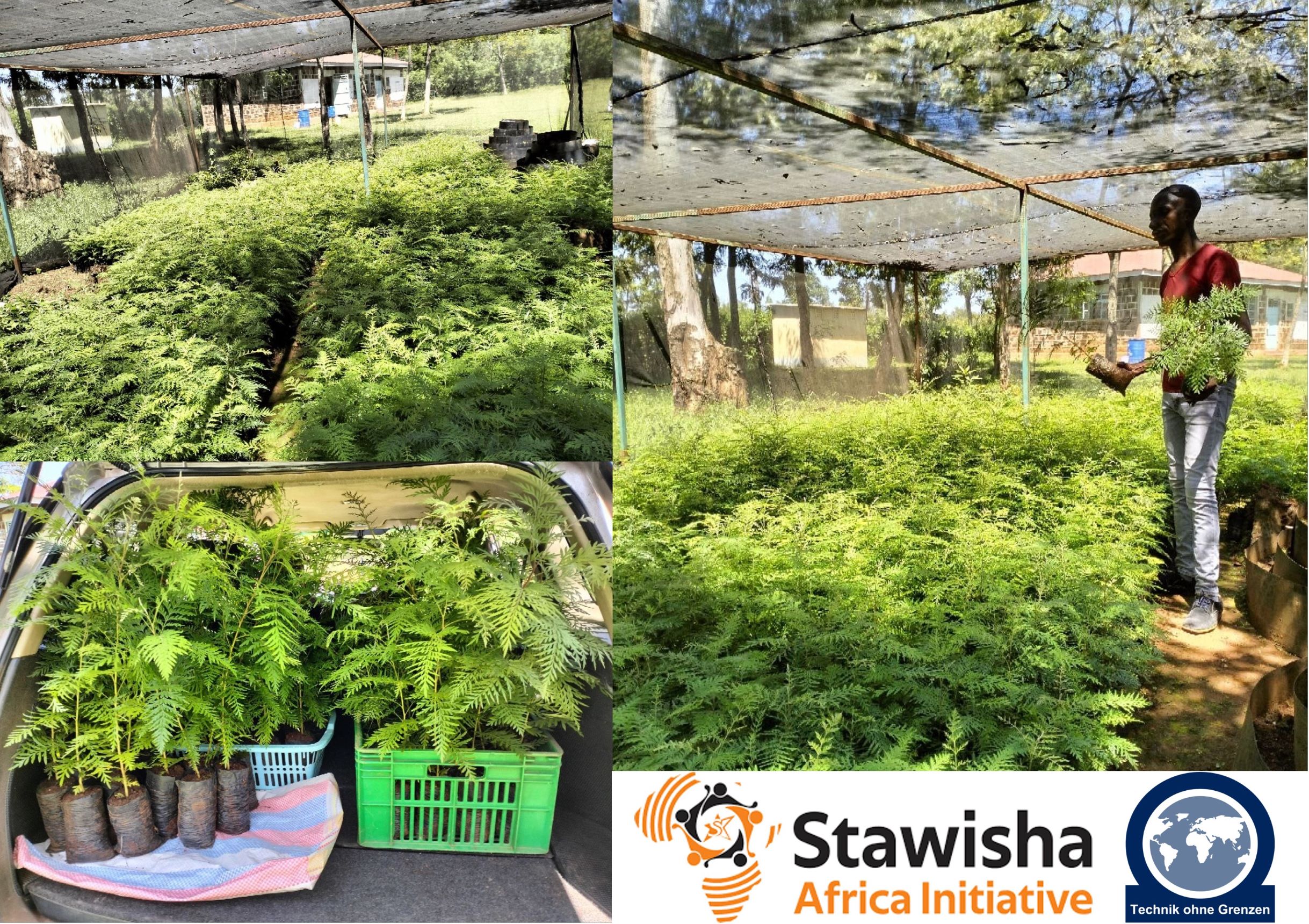
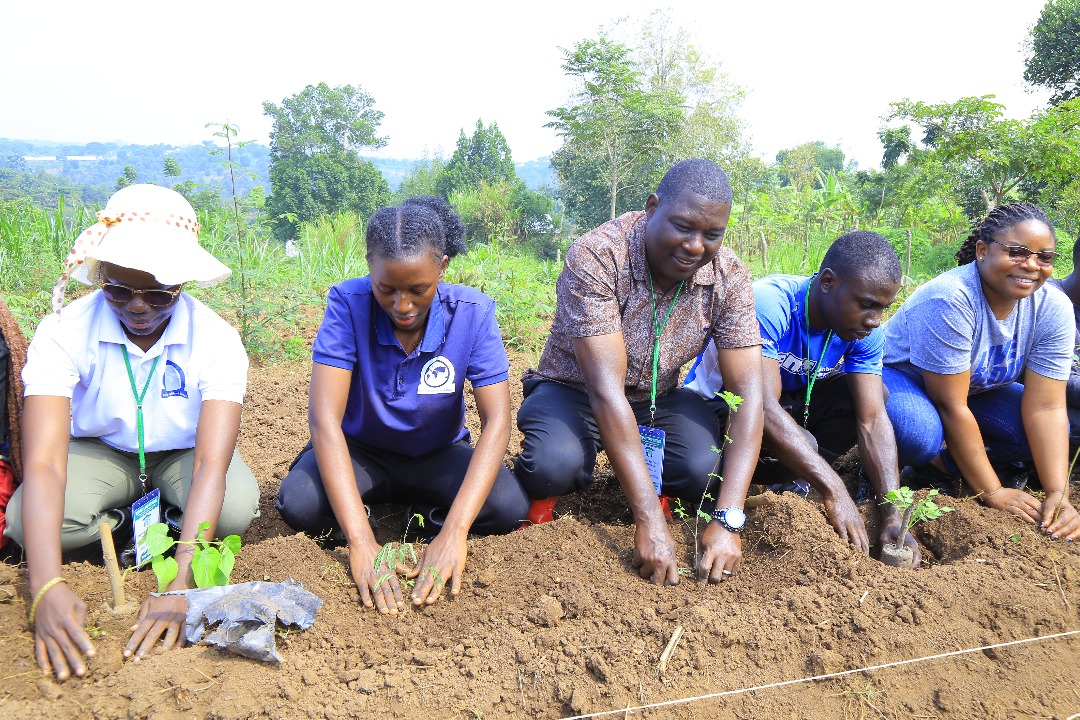
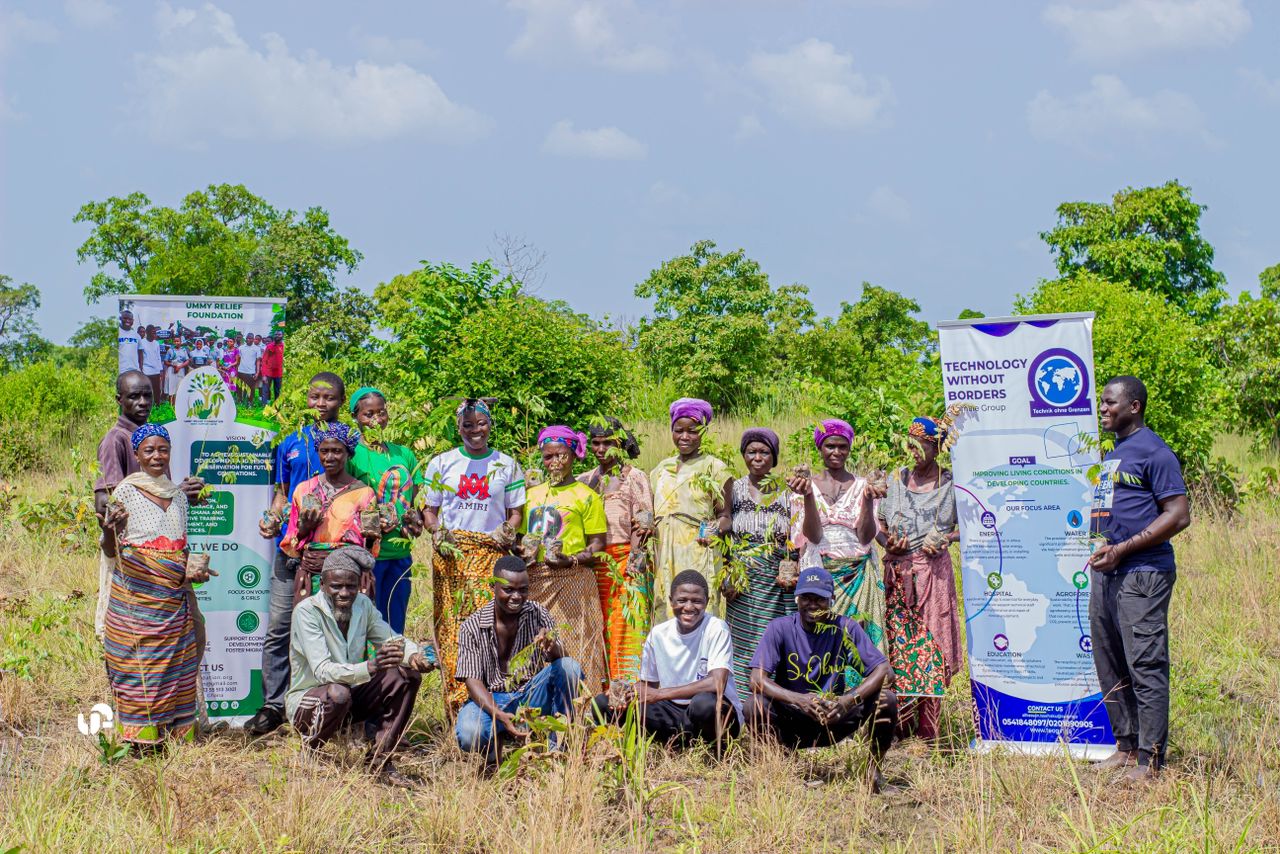
Our goal within the framework of TeoG projects is primarily to support local partners in the establishment of agroforestry demonstration farms and information events on agroforestry for small farmers. In 2016 Franziska Weissörtel from RG Munich started the project of an agroforestry demonstration farm in India. Currently we are transferring the findings through our RG Araranguá to a demonstration farm in Brazil. First conceptual approaches already exist to establish Agroforestry demonstration farms in Africa. Two of our members in Ghana have already started with first conceptual ideas.